Retirement planning in Pakistan has changed dramatically in one generation. Our parents often relied on a government pension, a joint family system, and children who would support them. Today, most private-sector employees have no pension, families are more nuclear, and people live longer. For most of us, retirement will be self-funded — which makes the question of how much money you really need unavoidable.
Why Retirement Planning Cannot Wait
Retiring at 60 could mean funding 20 to 30 years of living expenses, healthcare, and family support without a salary. The longer you wait to start, the more you need to save each month. A person who begins at 30 needs to save far less monthly than someone who begins at 45 for the same result.
Step 1: Estimate Your Retirement Expenses
Start with today's annual household expenses and adjust for retirement. Some costs fall (commuting, children's education, loan payments). Others rise — particularly healthcare, which becomes one of the largest retirement costs in Pakistan, especially without employer cover.
Example: A couple currently spending PKR 250,000 a month estimates they will need PKR 200,000 a month in today's rupees during retirement — PKR 24 lakh a year.
Step 2: Adjust for Inflation
If retirement is 25 years away and inflation averages 8% a year, costs rise by roughly 6.8 times. PKR 24 lakh a year today becomes around PKR 1.6 crore a year in future rupees. This is the step most people skip, and it is why many retirement plans fall badly short.
Step 3: Calculate the Portfolio Needed
Multiply your annual retirement expenses by 30 to 33 — a conservative multiple for Pakistan's inflation environment. In today's rupees, PKR 24 lakh × 30 = PKR 7.2 crore. In future rupees, the figure is correspondingly larger. The method is the same one used for financial freedom, applied to a later date.
Get a Financial Fitness Scan™
A 60–90 minute diagnostic with Ameer Hamza that shows exactly where your finances stand and what to fix first — PKR 10,000.
See the Financial Fitness Scan™ →Step 4: Count Your Existing Retirement Resources
- Provident fund: Often the largest retirement asset for salaried employees.
- Gratuity: A lump sum based on years of service, depending on your employer's policy.
- EOBI pension: Helpful but modest; treat it as a supplement.
- Voluntary Pension System (VPS): A regulated, tax-efficient pension option with conventional and Shariah-compliant funds.
- Personal investments: Mutual funds, shares, National Savings, gold, and property.
- Rental income: A property that generates rent reduces how much the portfolio must provide.
Step 5: Close the Gap
Subtract projected resources from the required portfolio. The remaining gap, divided across your remaining working years at an expected return, tells you the monthly amount to invest. If that number is too high, you have three levers: save more, retire later, or plan for lower retirement expenses.
Where to Invest for Retirement in Pakistan
With a long horizon, retirement money can hold significant exposure to equity funds and PSX shares for growth, shifting gradually toward income funds and government instruments as retirement approaches. Senior citizens may also consider government savings schemes designed for retirees, such as Behbood Savings Certificates, for stable income in later years.
Retirement Planning Mistakes to Avoid
- Withdrawing provident fund early for consumption.
- Ignoring inflation in calculations.
- Keeping retirement savings entirely in low-return deposits.
- Underestimating healthcare costs.
- Relying on children as the retirement plan.
Frequently Asked Questions
How much money do I need to retire in Pakistan?
A useful rule of thumb is 30 to 33 times your expected annual retirement expenses, adjusted for inflation to your retirement date. Your exact number depends on lifestyle, healthcare, and other income.
Is VPS a good option for retirement?
The Voluntary Pension System is designed specifically for retirement, offers a choice of allocation schemes, and can provide tax benefits within limits. It works well as part of a broader plan.
When should I start planning for retirement?
With your first salary. If you are starting later, the second-best time is today. My Financial Freedom Plan™ includes a full retirement projection.
Book a Free Financial Clarity Call
A 20-minute conversation with Ameer Hamza, financial planner in Pakistan, to find the right starting point for your money — no pitch, just clarity.
Book a Free Call →This article is general financial education, not personalised financial advice. Figures and returns are illustrative and not guaranteed; tax and scheme rules change, so confirm current rules before acting.
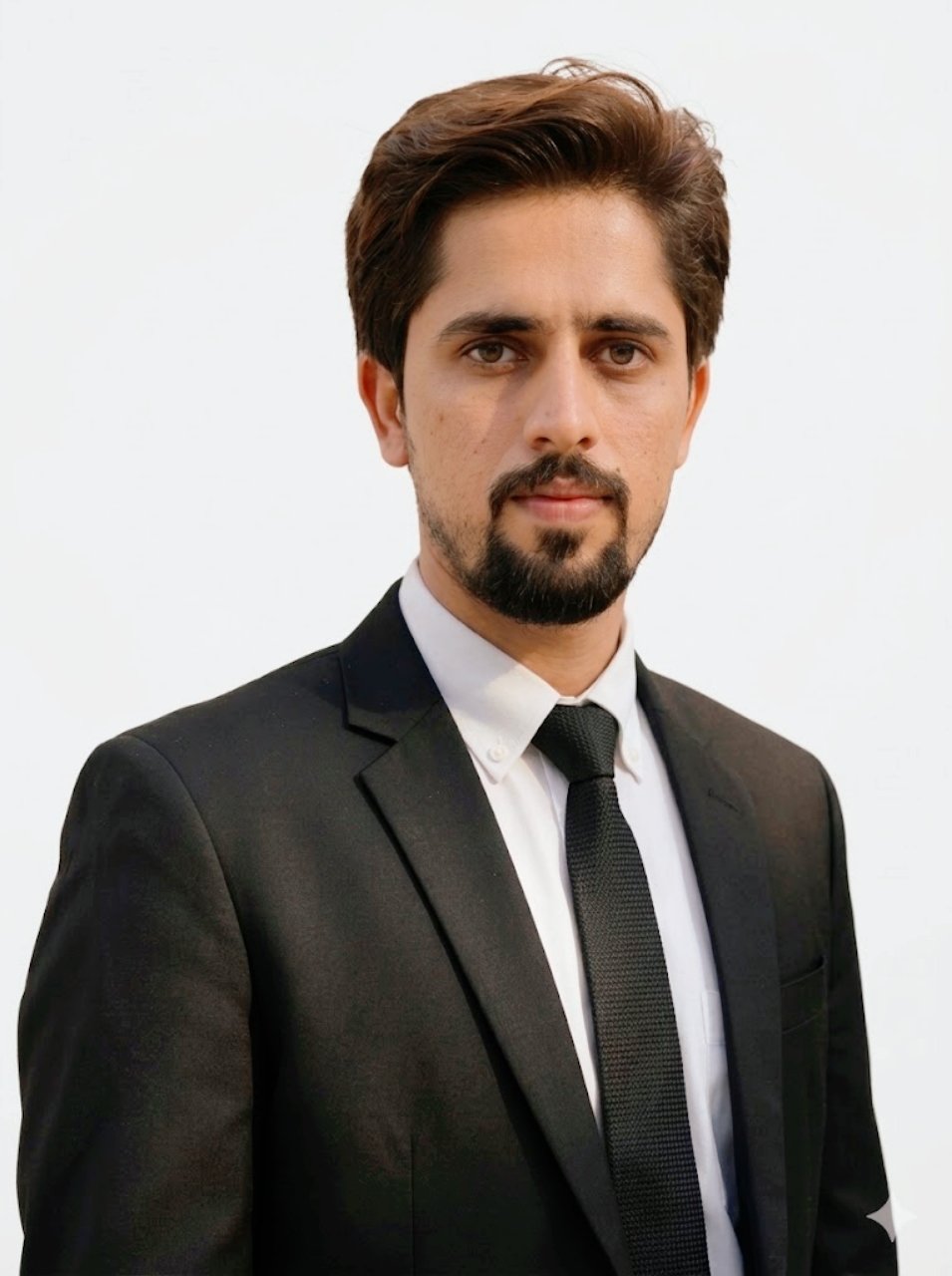
Financial planner and financial advisor in Lahore, Pakistan. MBA in Finance, Certified Financial Advisor (IFMP), founder of AssetBuild. About Ameer →
Related Reading
→ How Much Money Do You Need for Financial Freedom in Pakistan?
→ Financial Planning for Salaried Employees in Pakistan
→ Investment Planning in Pakistan: How to Build a Diversified Portfolio